

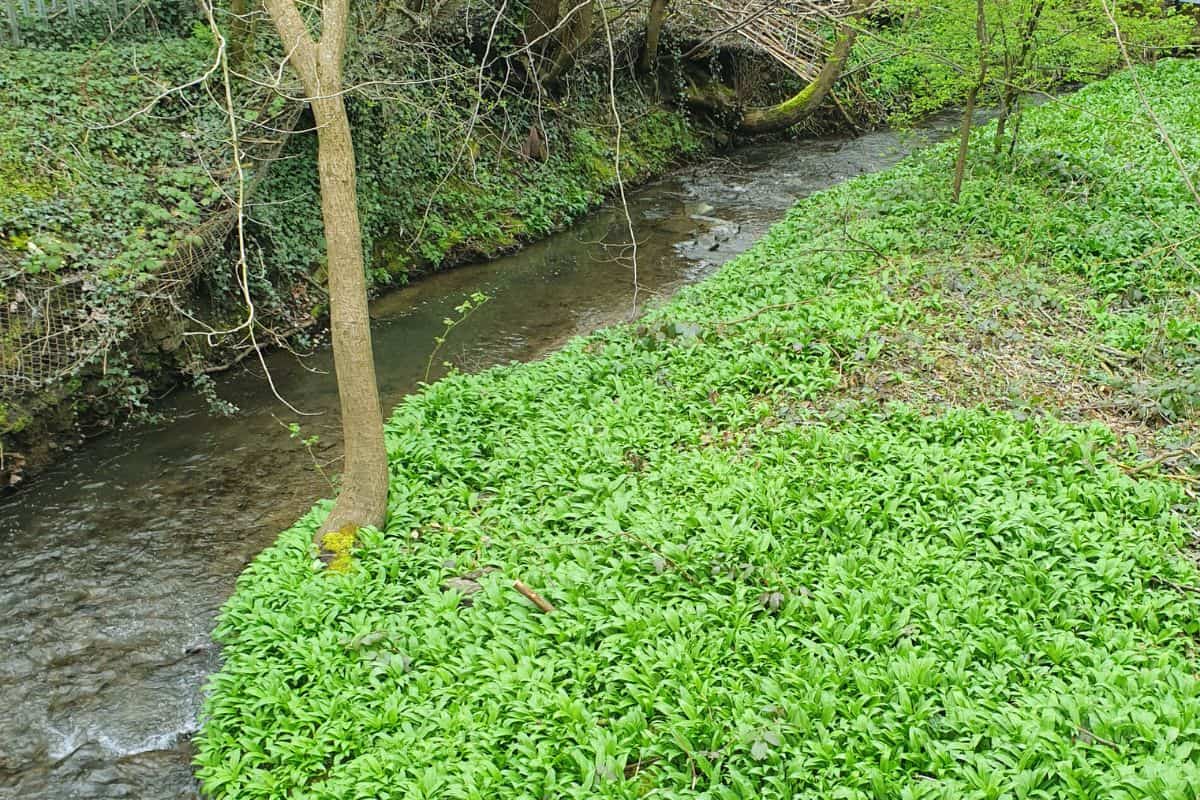
Wild garlic season is short, usually lasting from March to May in the UK. If you’ve picked a generous handful of these fragrant spring leaves, you might be wondering how to preserve wild garlic so you can enjoy it in the coming months or even later in the year.
The good news is that wild garlic is surprisingly easy to store. From freezing the leaves to making pesto, butter, or infused oil, there are several simple ways to preserve the flavour of wild garlic long after the season ends.
Below are some of the best methods for preserving wild garlic so you can continue enjoying it long after the woodland carpets have disappeared. If you're new to all this, check out my ultimate guide to wild garlic. 🌱
I create new content every single week. Subscribe to keep in touch and get a free download of The Vegan Kitchen – My Top 10 Tips.
What parts of wild garlic can you preserve?
Most parts of the wild garlic plant (also known as ramsons) can be preserved and used in cooking, although the leaves are by far the most commonly used.
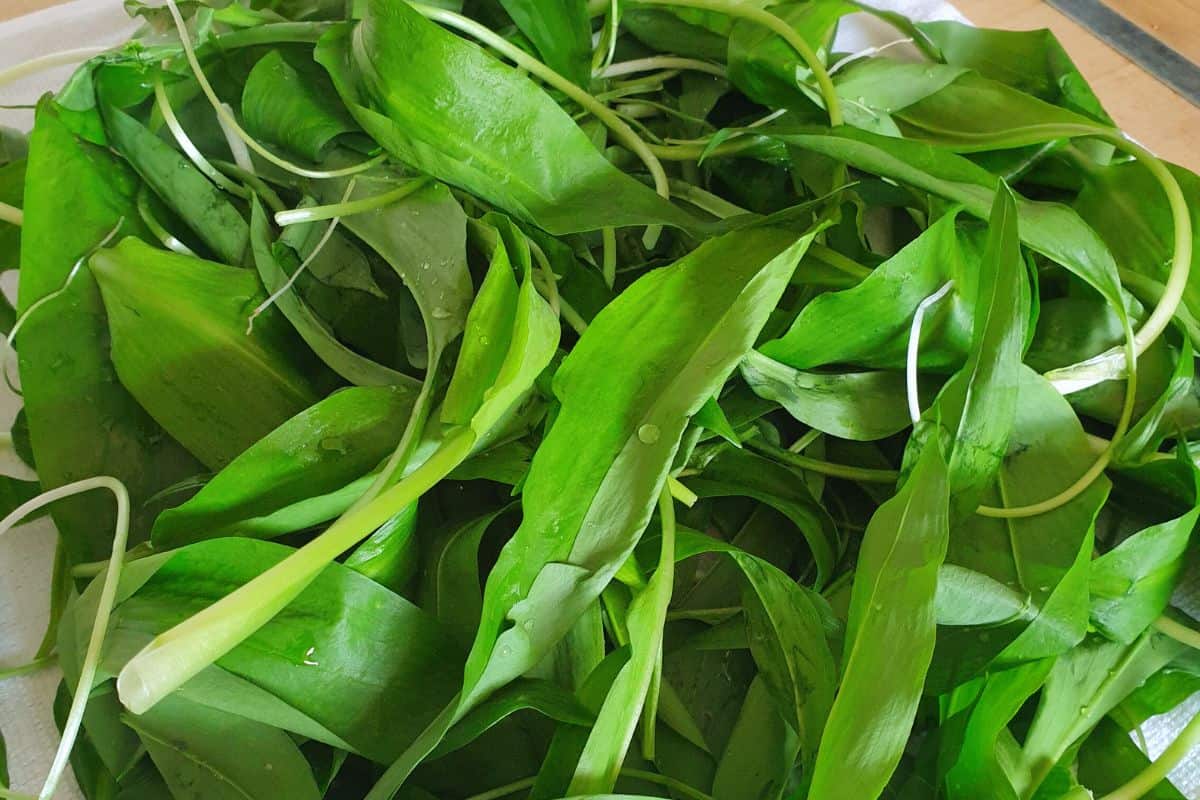
The tender green leaves appear in early spring and are ideal for freezing, blending into pesto, or mixing into things like butter, oil, and sauces. Because the leaves wilt quickly after picking, they’re usually the first part people choose to preserve.
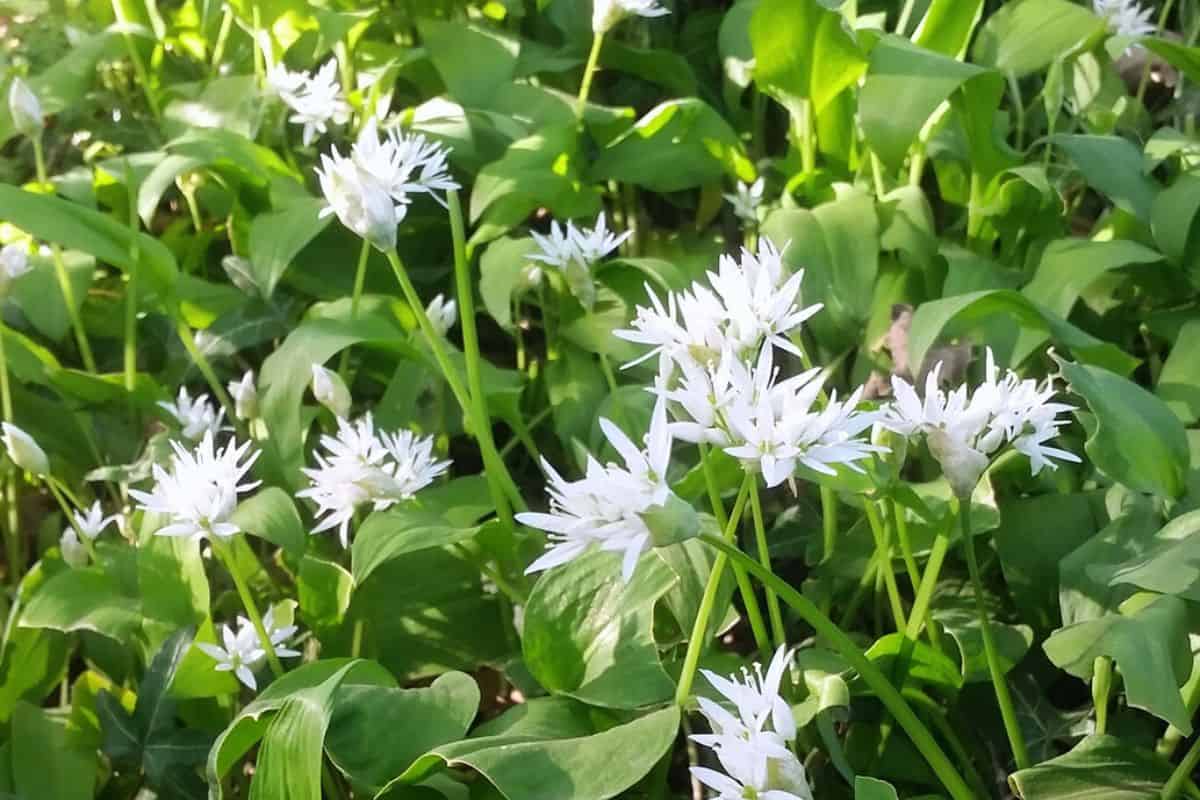
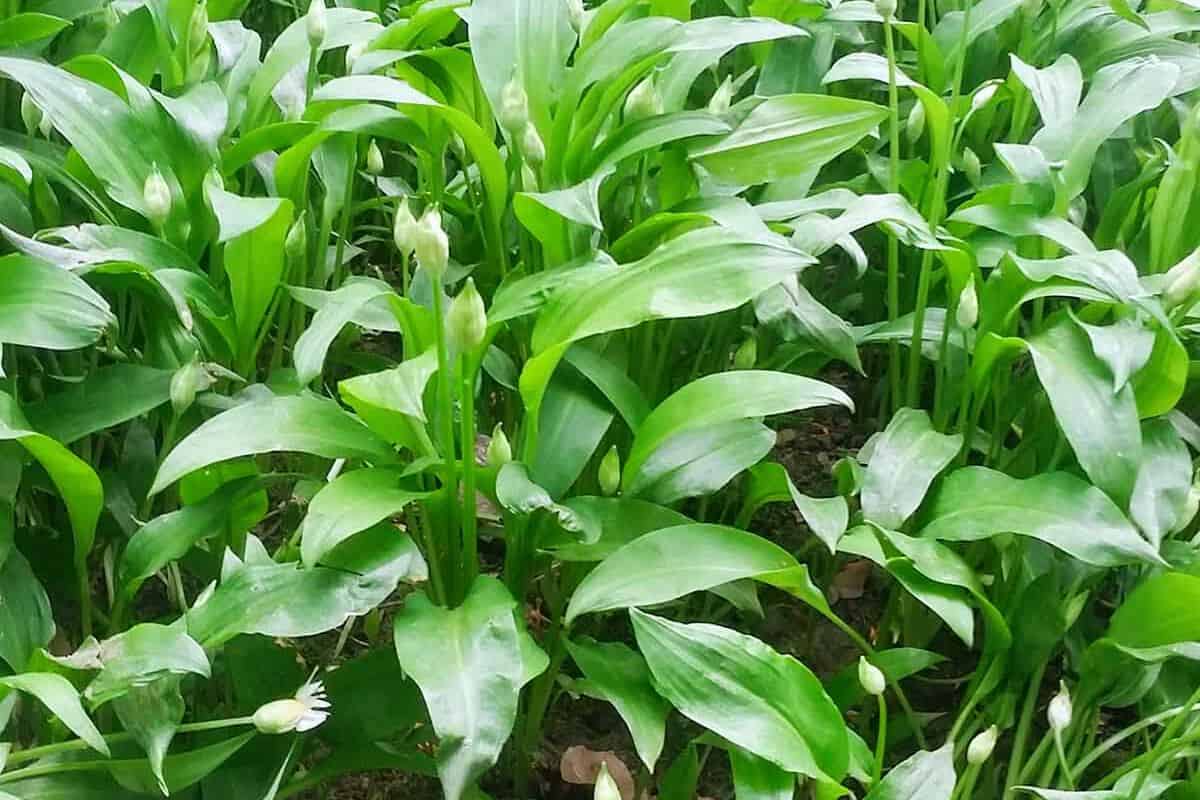
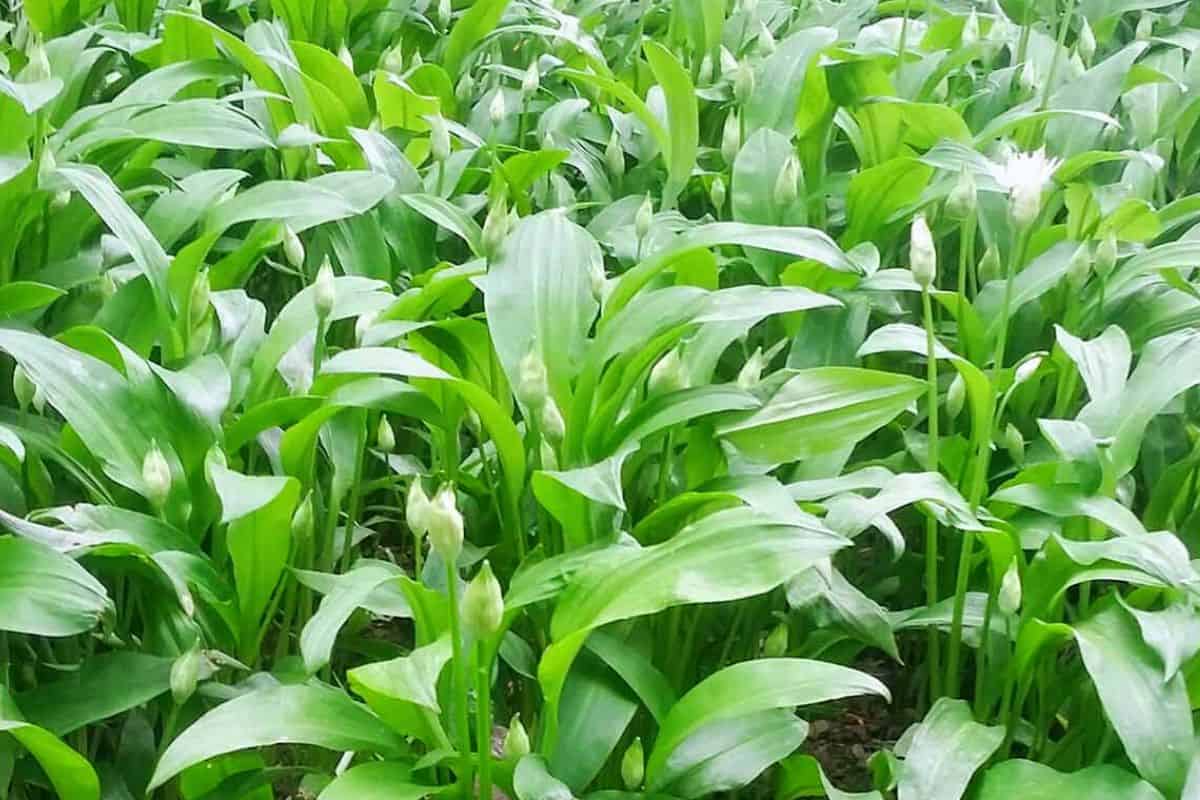
Later in the season, wild garlic produces small flower buds and star-shaped white flowers. The buds can be pickled in vinegar to create a tangy garnish similar to capers, while the flowers are edible and can be frozen or used fresh in salads and as a garnish.
Although the bulbs are technically edible, it's illegal to harvest them in the UK and digging them up prevents the plant from regrowing. For this reason, most foragers focus on preserving the leaves, buds, and sometimes the flowers, which allows the plant to continue thriving year after year.
How to store fresh wild garlic
If you’re not planning to preserve wild garlic straight away, the leaves can be stored in the fridge for a few days.
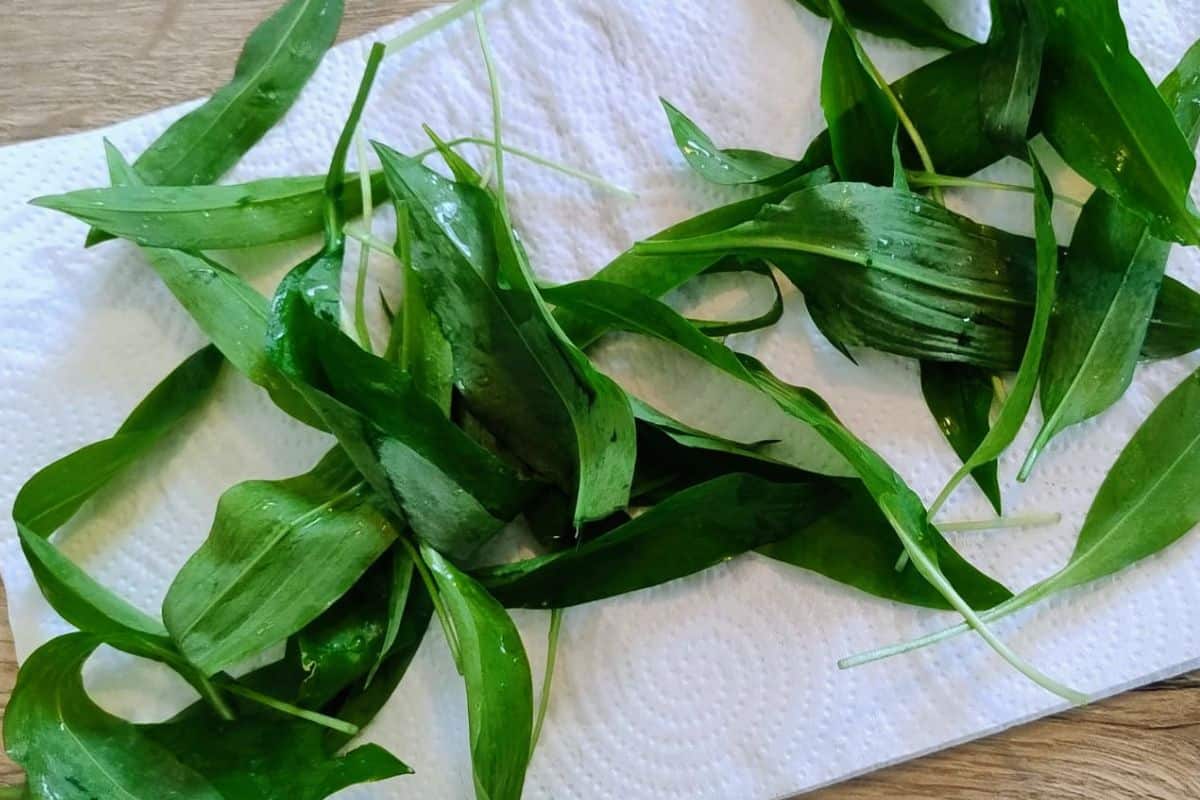
To keep them fresh for as long as possible, wrap the leaves loosely in a damp paper towel and place them in a container or reusable bag in the refrigerator. The slight moisture helps prevent the leaves from drying out.
It’s usually best to not wash the leaves until you’re ready to use them, as excess moisture can cause them to wilt more quickly.
How long does wild garlic last?
Fresh wild garlic is quite delicate and doesn’t keep for long after picking. Even when stored properly in the fridge, the leaves usually last around 3–7 days before they begin to soften and lose their flavour.
Because of this short shelf life, many people choose to preserve wild garlic soon after foraging, especially if they’ve gathered a large amount.
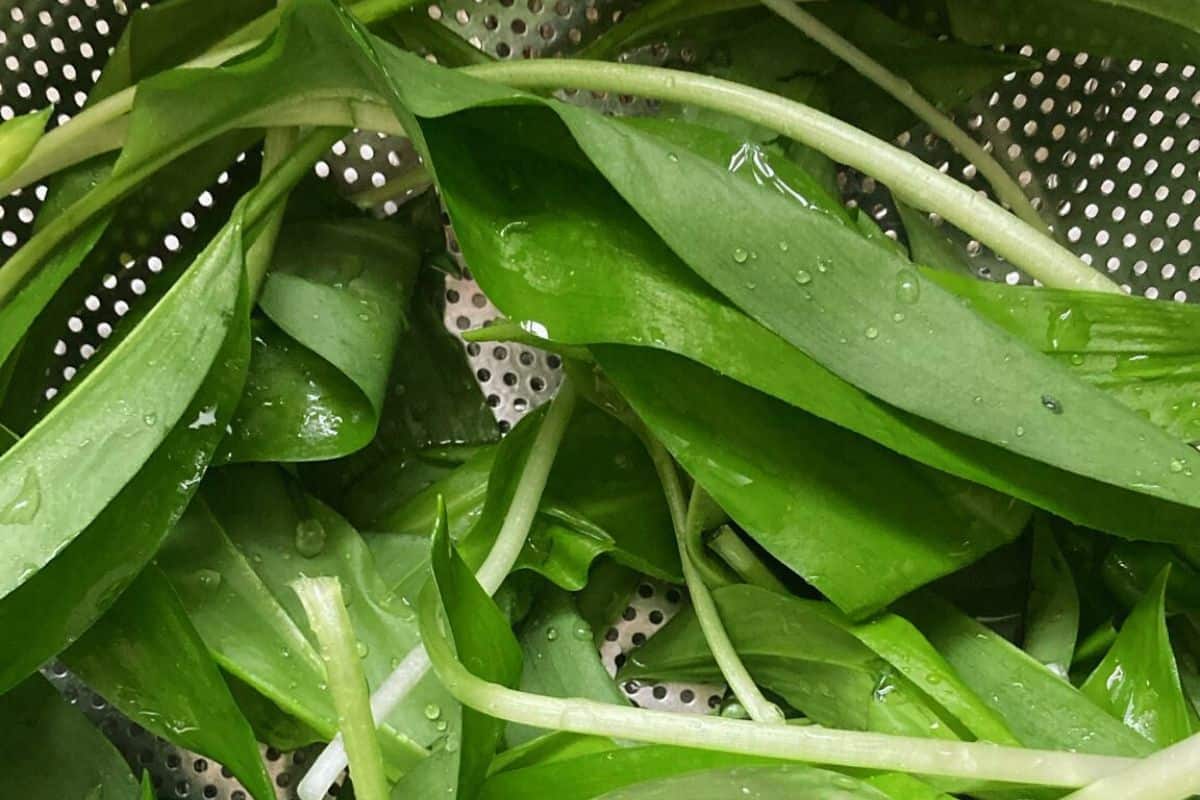
9 ways to preserve wild garlic
1. Freeze the wild garlic leaves
Freezing is one of the simplest ways to preserve wild garlic. The leaves freeze well and can easily be added straight to cooked dishes such as soups, stews, sauces, or pasta.
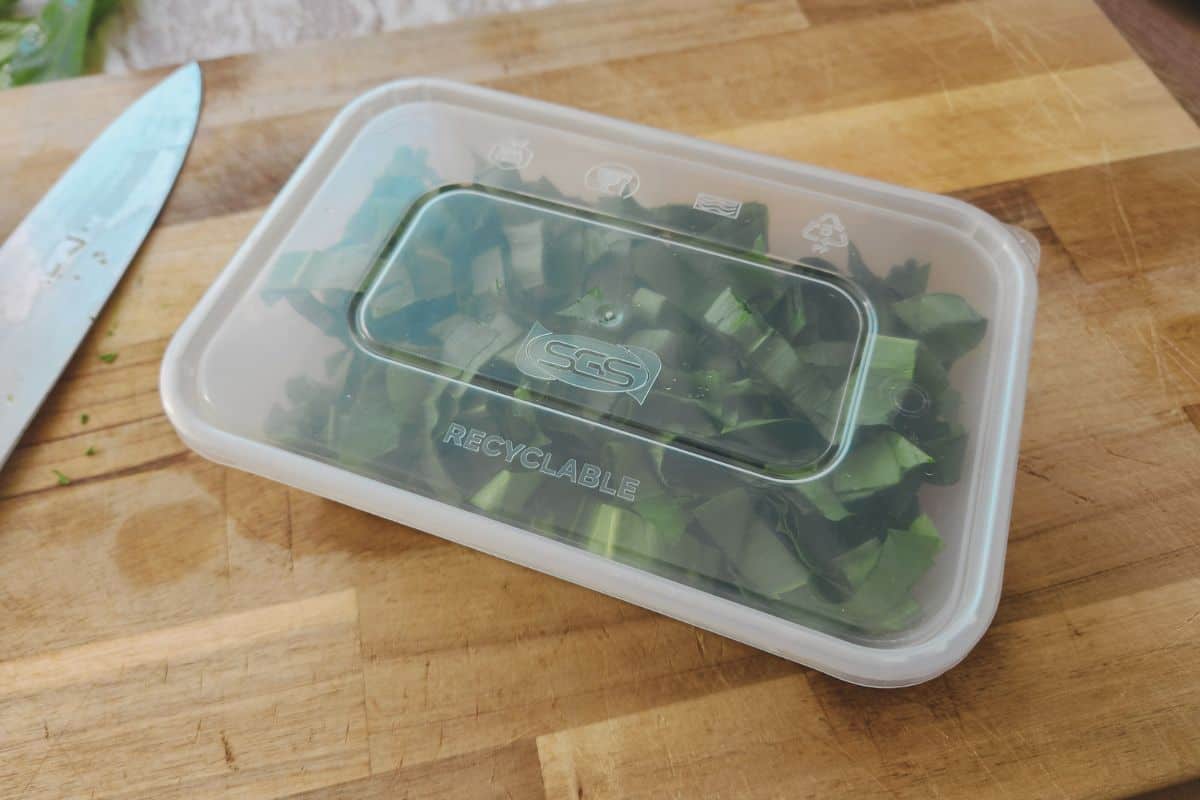
To freeze wild garlic leaves:
- Wash the leaves thoroughly to remove dirt or insects.
- Dry them well using a clean tea towel or kitchen paper.
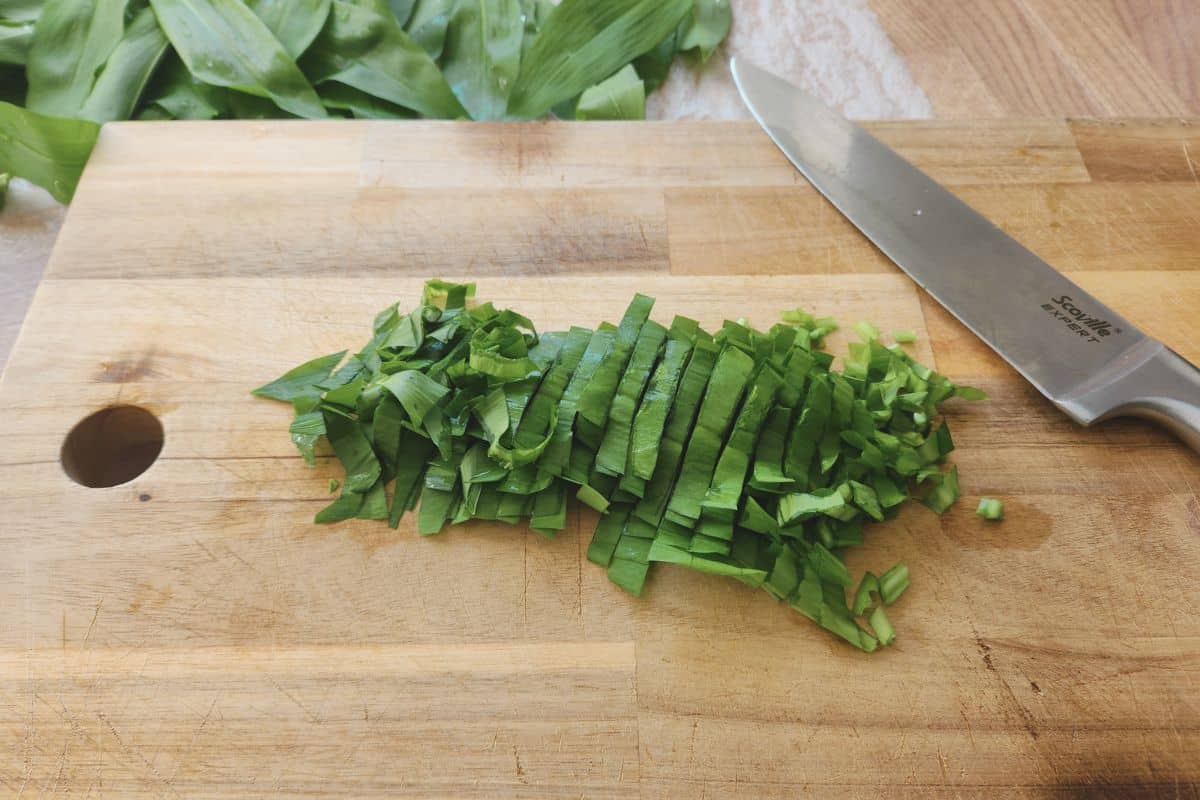
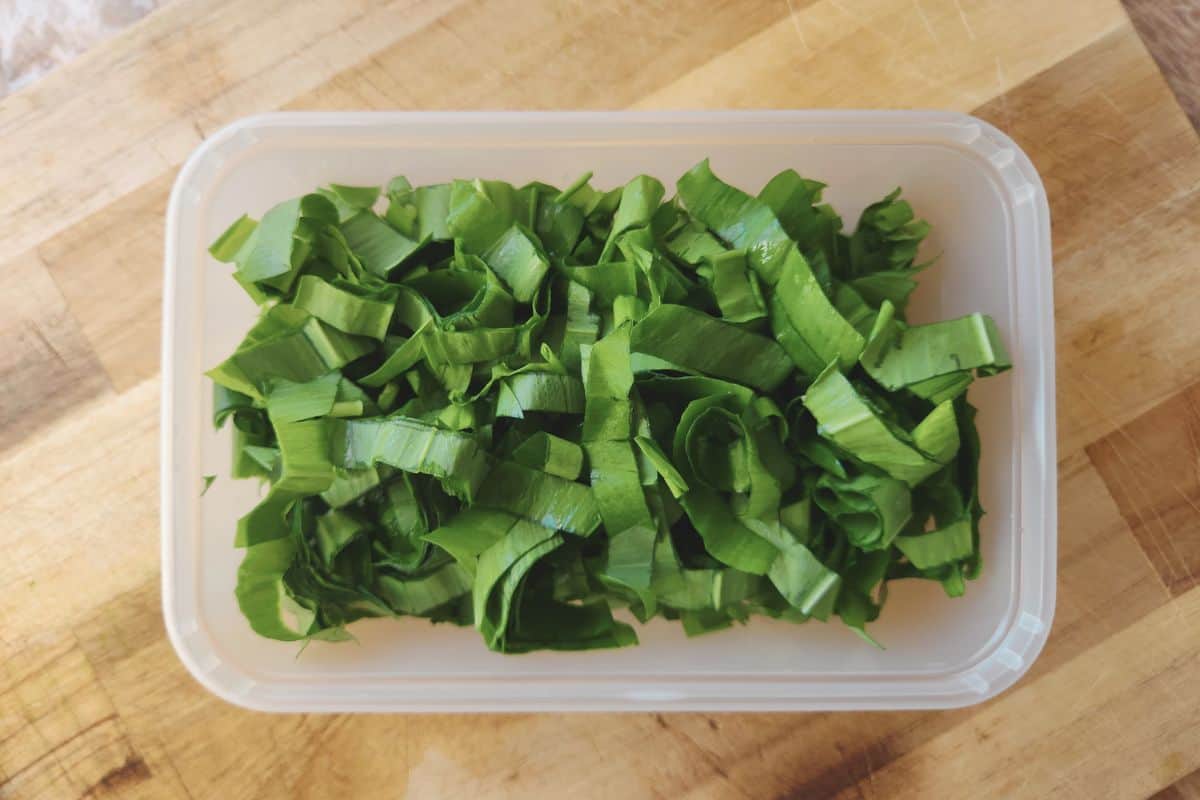
- Chop the leaves if desired.
- Place them in freezer bags or containers and freeze.
Frozen wild garlic can usually be stored for up to 12 months.
2. Freeze the wild garlic in ice cubes
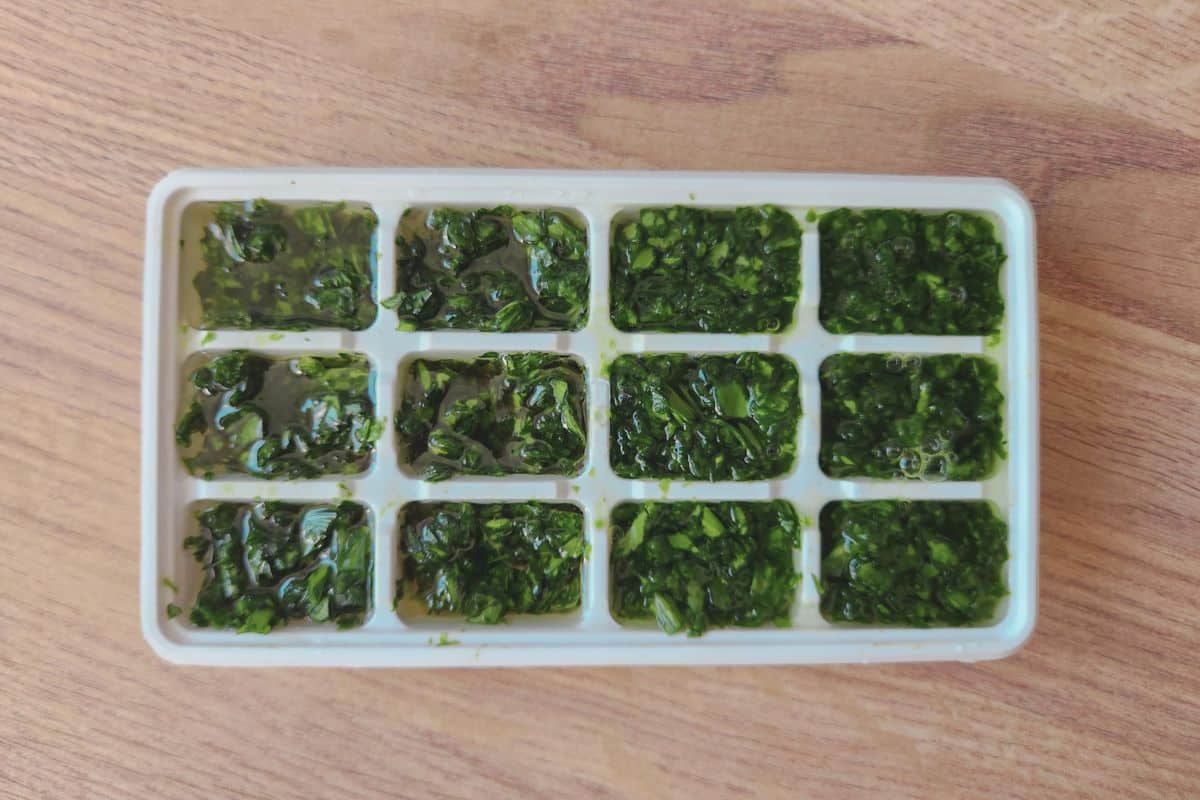
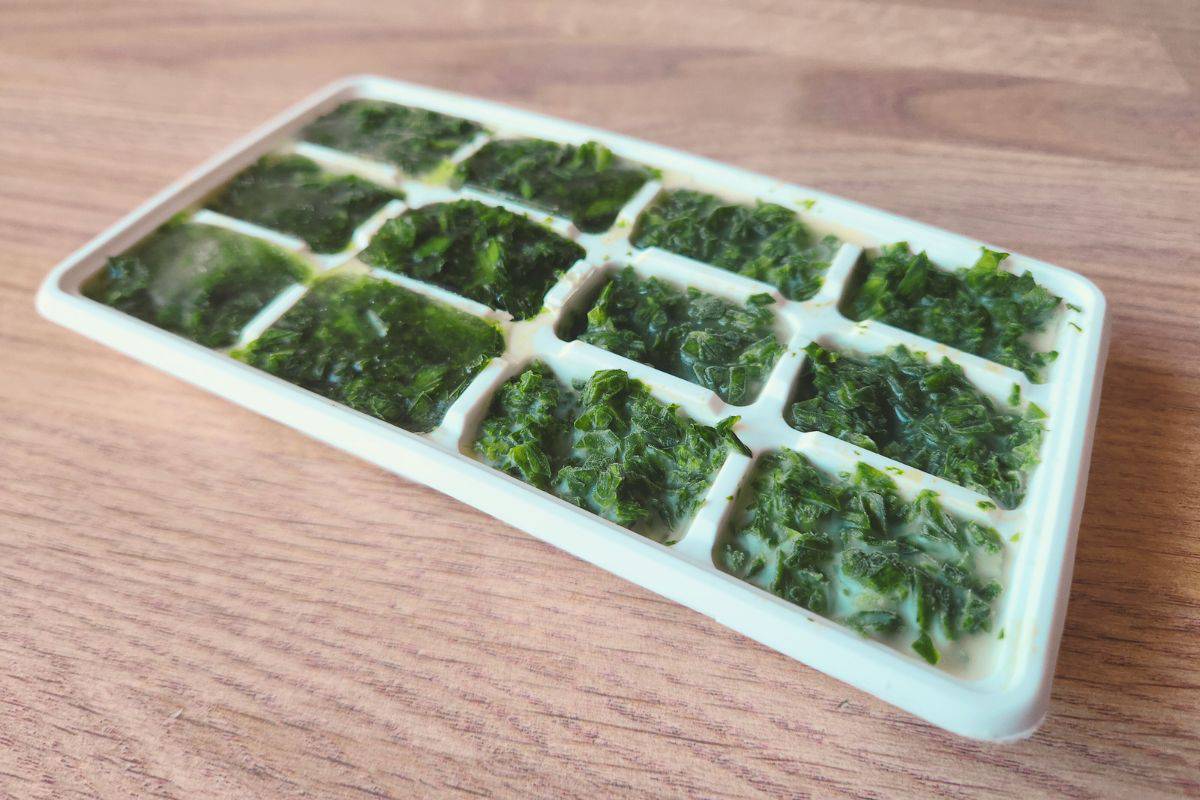
Another convenient method is to freeze chopped wild garlic in ice cube trays.
Simply chop the leaves and place them into the compartments of an ice cube tray.
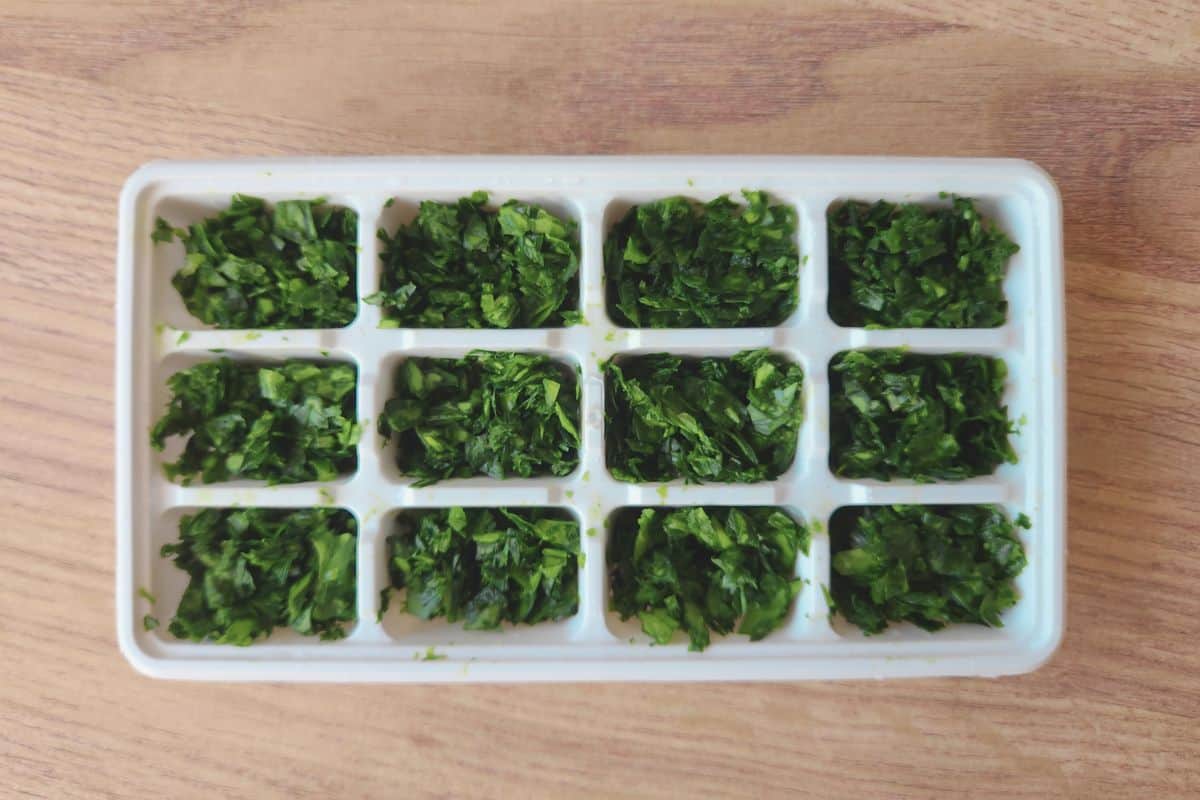
Top them up with water or olive oil, then freeze. Once frozen, transfer the cubes to a freezer bag.
These cubes are perfect for dropping into:
- Soups
- Sauces
- Stews
- Pasta dishes
They’re an easy way to add a burst of garlicky flavour straight from the freezer.
3. Make wild garlic pesto
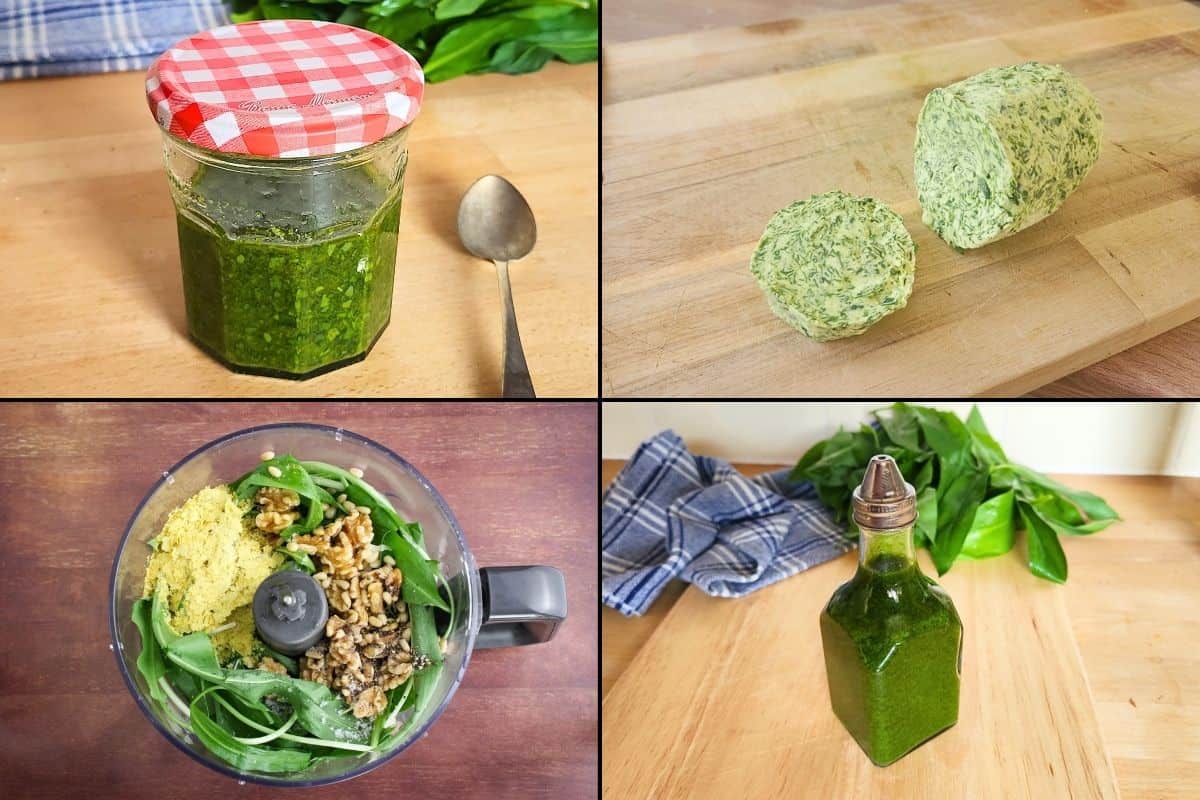
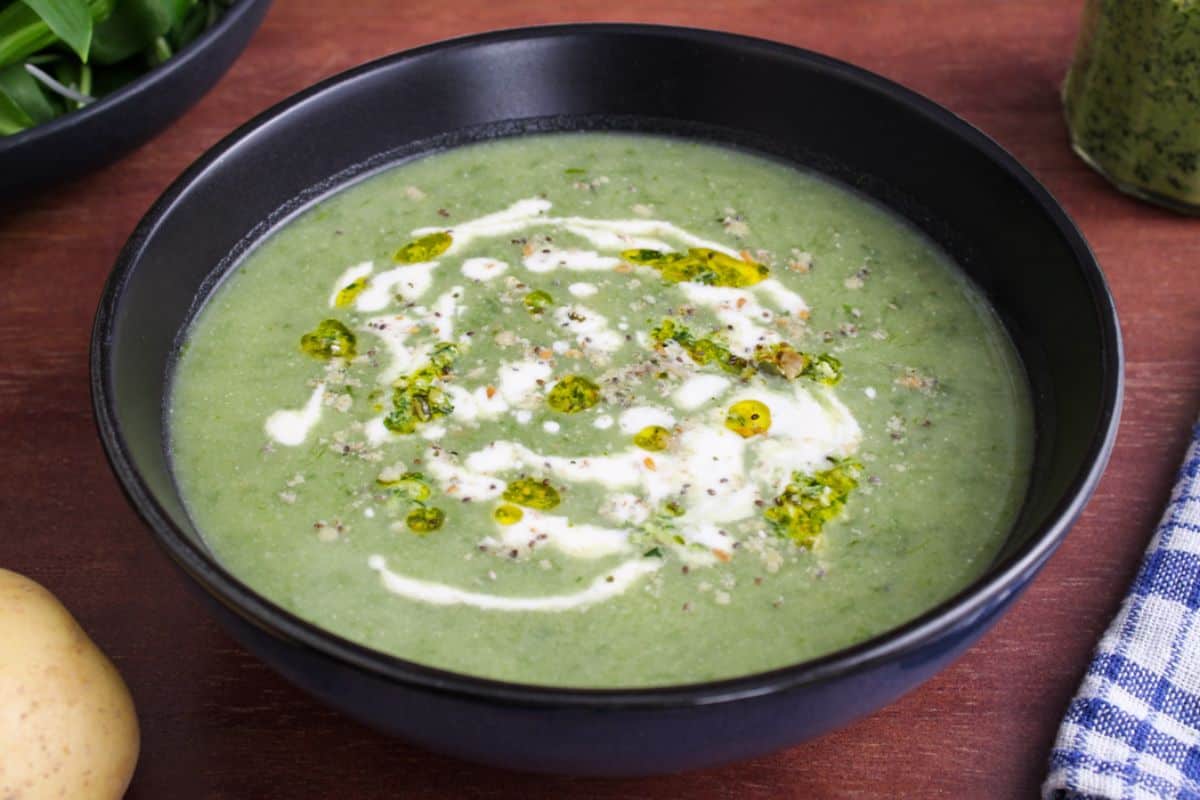
One of the most popular ways to preserve wild garlic is by turning it into pesto. Blending the leaves with olive oil, nuts, and seasonings creates a vibrant sauce that freezes very well.
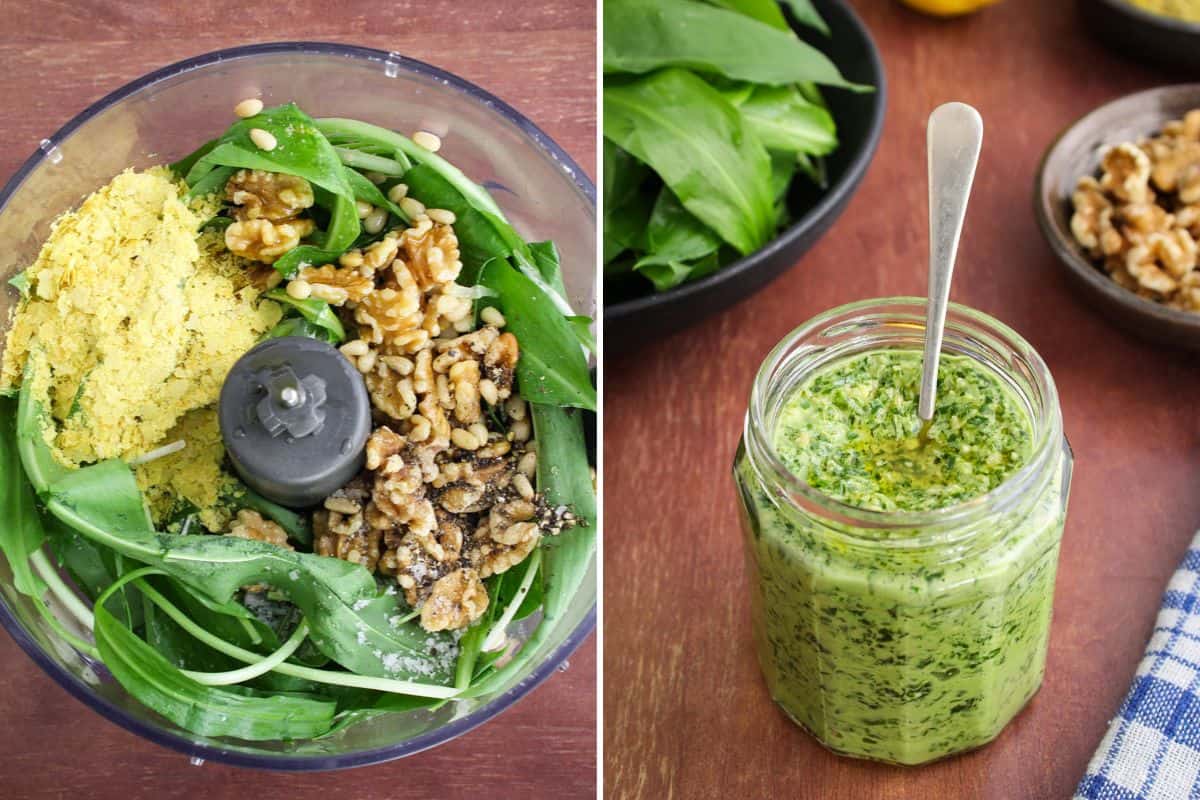
Wild garlic pesto can be frozen in small containers or ice cube trays and stored for several months. It’s ideal for stirring through pasta, spreading on bread, or adding to soups.
4. Make wild garlic butter
Wild garlic butter is another simple way to preserve the flavour of fresh leaves.
To make it, mix finely chopped wild garlic with softened vegan butter, a squeeze of lemon juice, and a pinch of salt.
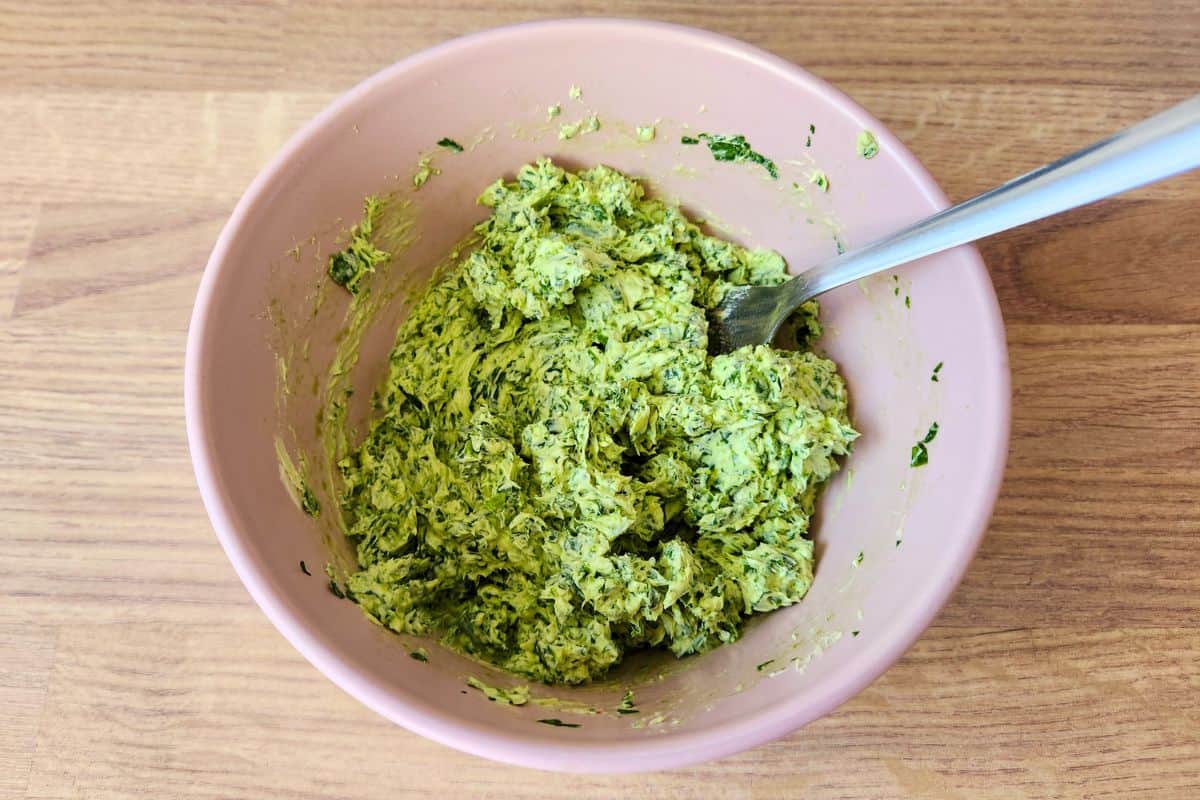
Roll the mixture into a log using baking paper and chill until firm.
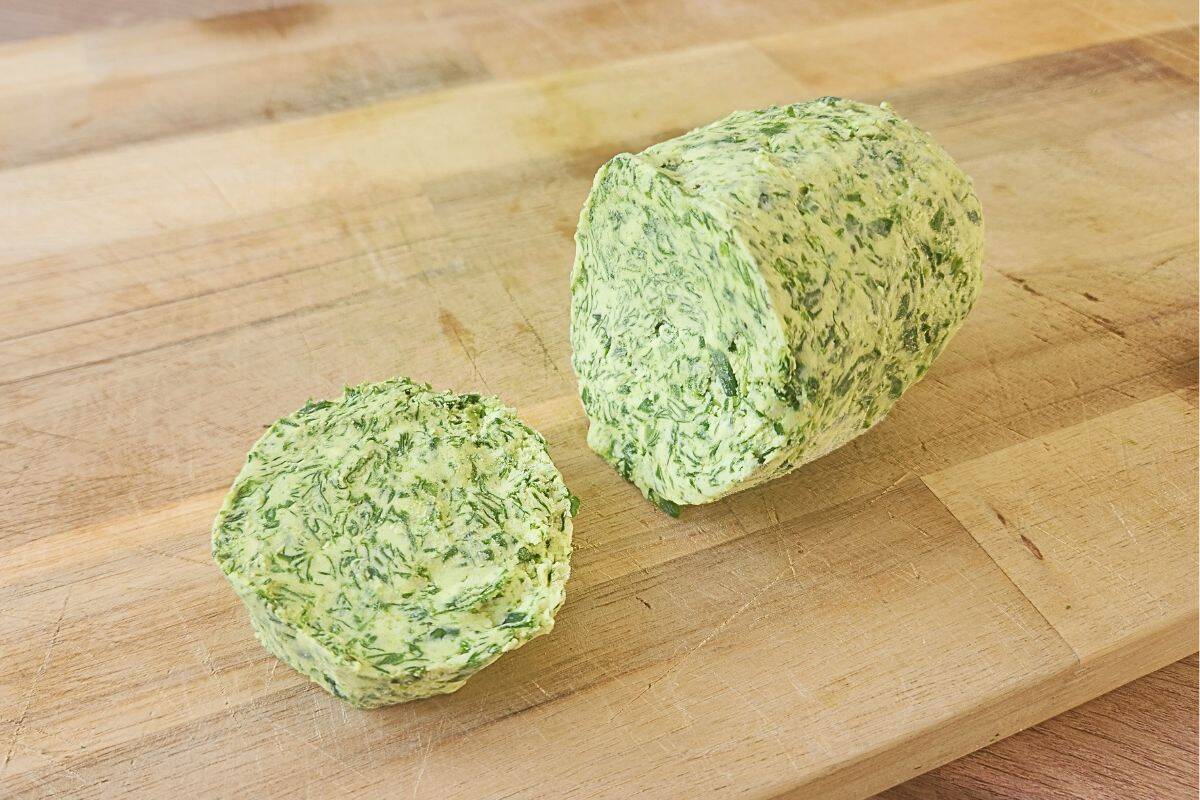
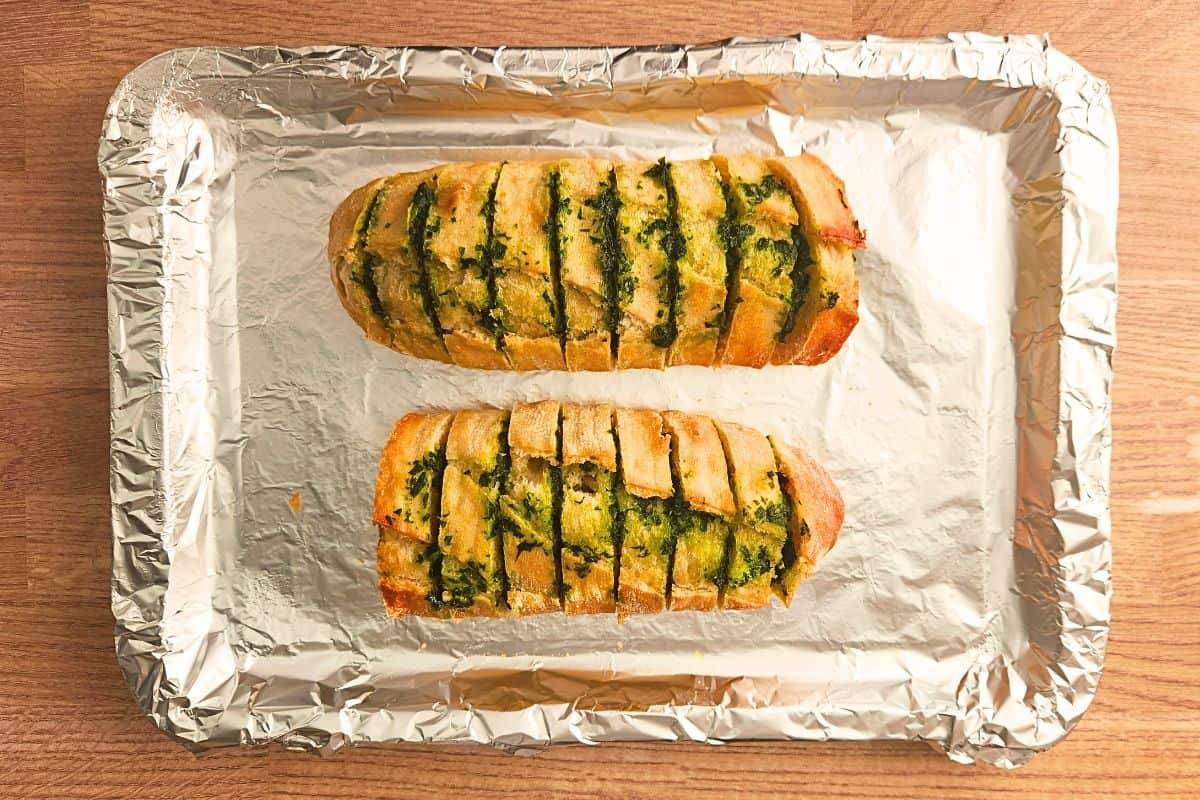
Slices of wild garlic butter can be frozen and used later for:
- Garlic bread
- Potatoes
- Pasta dishes
- Roasted vegetables
5. Make wild garlic oil
Wild garlic oil is a great way to capture the flavour of the leaves in a versatile cooking ingredient.
Blend fresh wild garlic leaves with olive oil until smooth, then strain the mixture if you prefer a clearer oil.
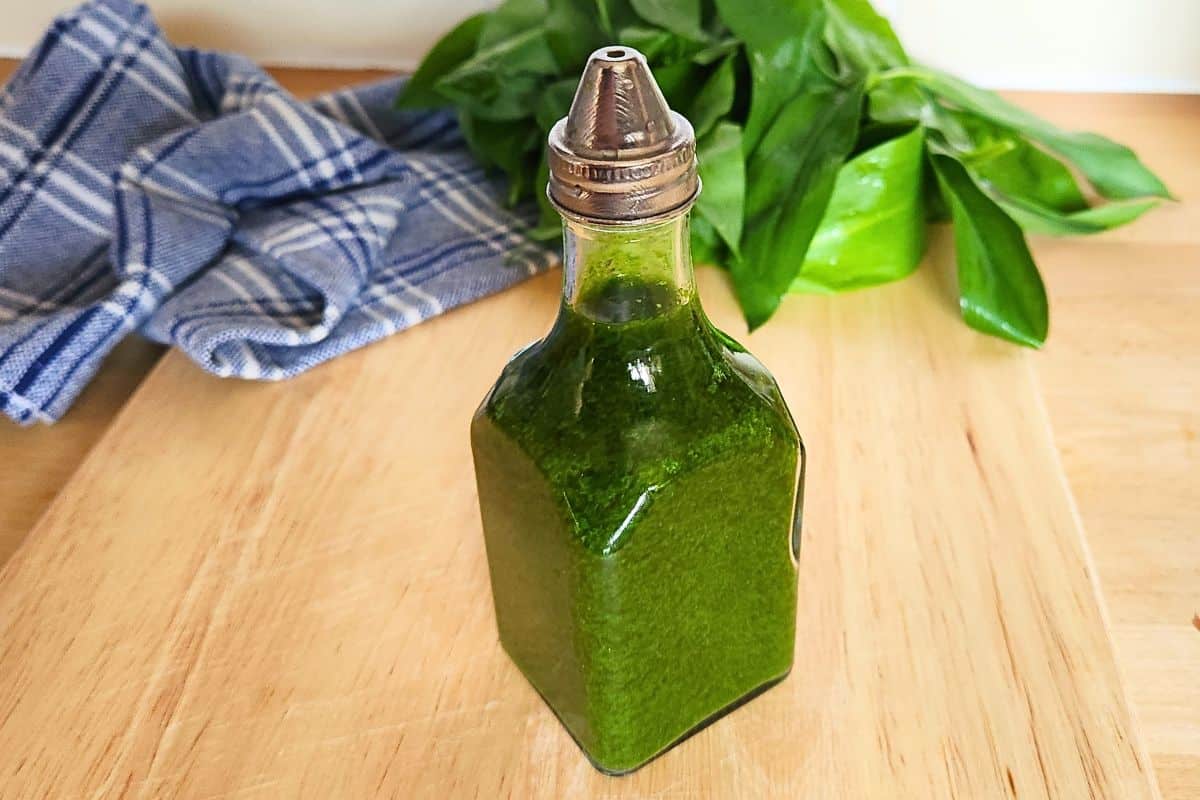
Wild garlic oil works well as a finishing oil for:
- Soups
- Salads
- Roasted vegetables
- Pasta dishes
Because fresh herbs can affect the shelf life of oil, it’s best to store wild garlic oil in the fridge and use it within 3-5 days, up to a week.
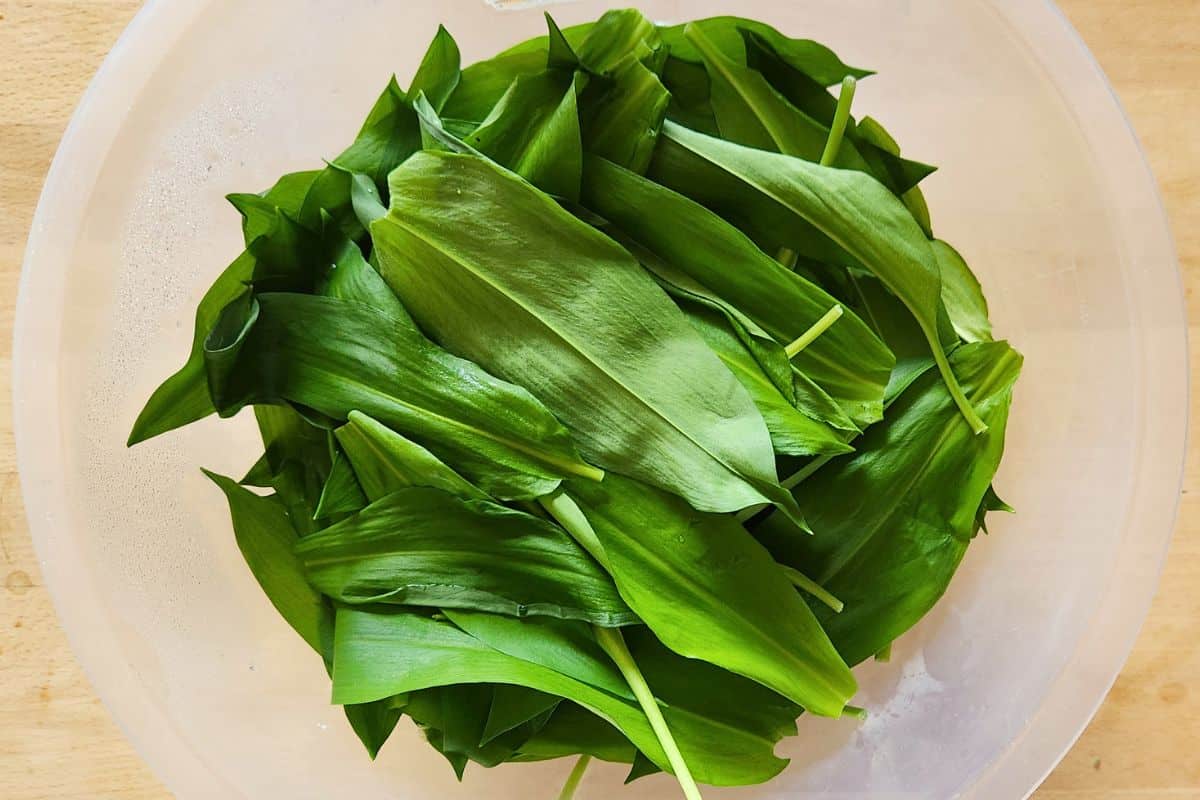
6. Make wild garlic sauce (dressing)
Wild garlic sauce is one of the quickest and most versatile ways to preserve a fresh harvest. Finely chopping or blending the leaves into a punchy dressing not only captures their flavour at its peak, but also extends their lifespan in the fridge for several days.
It’s a great option if you’ve picked more than you can use straight away and want something ready to go for meals throughout the week.
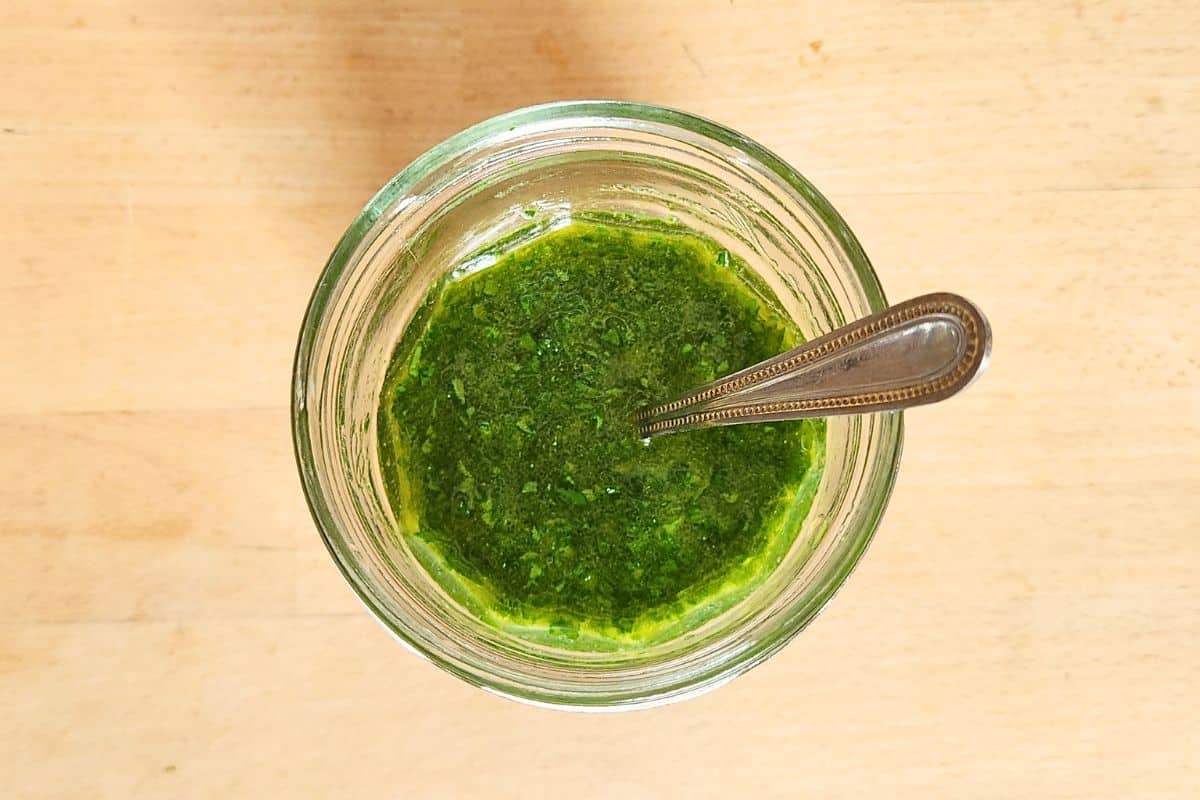
The process is simple: blitz fresh wild garlic with olive oil, a splash of acid (such as apple cider vinegar or lemon juice), and a little Dijon mustard for body. Season well with salt and pepper, then adjust to taste.
You’re aiming for a smooth, pourable consistency that sits somewhere between a vinaigrette and a light green sauce.
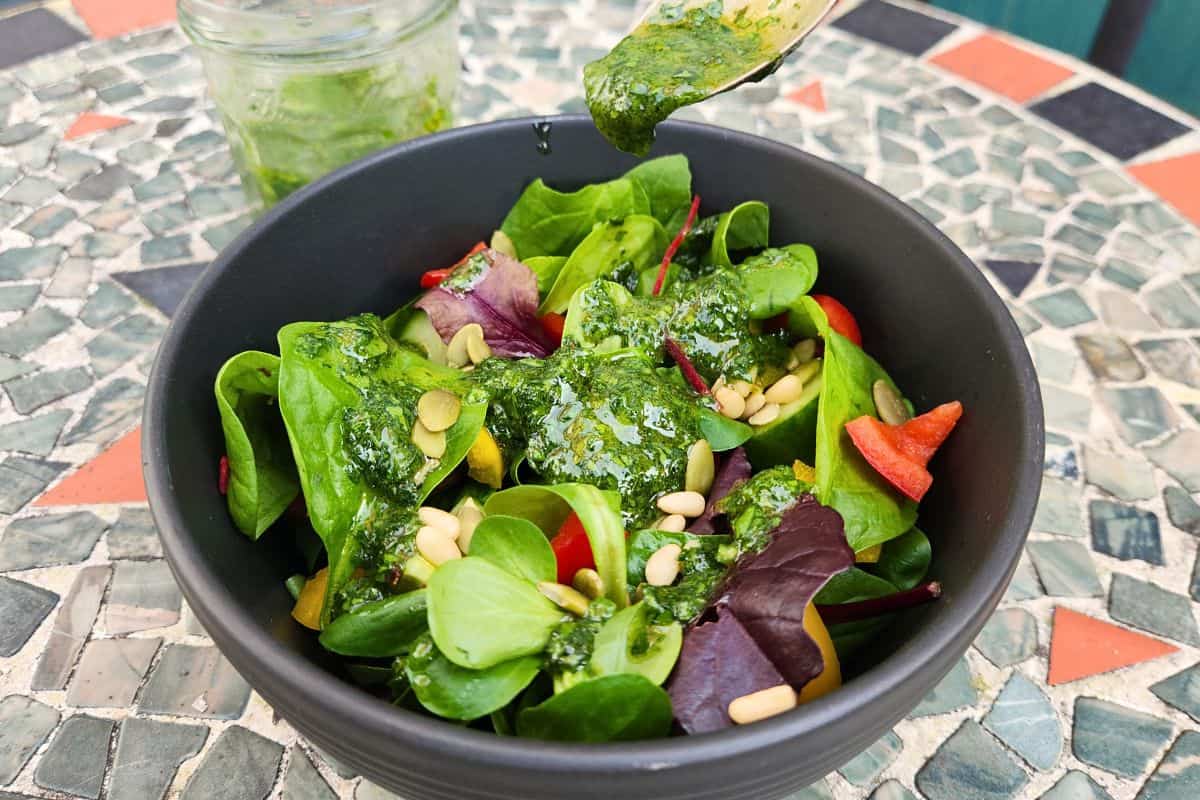
Drizzle the wild garlic dressing over salads, roasted vegetables, or grain bowls for an instant hit of garlicky freshness. It also works brilliantly as a marinade or a simple finishing sauce for things like new potatoes, pasta, or crusty bread.
7. Pickle the wild garlic buds
Later in the season, wild garlic produces small, unopened flower buds that can be pickled and used much like capers.
These buds have a mild garlicky flavour and hold their texture well, making them perfect for adding a sharp, savoury kick to salads, sandwiches, and pasta dishes.
To pickle wild garlic buds:
- Rinse well and pack them into a clean, sterilised jar.
- Heat a simple brine of vinegar, water, salt, and a little sugar (for balance), then pour it hot over the buds.
- Add extras like black peppercorns, mustard seeds, bay leaves, or chilli flakes for additional flavour.
- Seal and leave to cool before storing in the fridge.
They’ll be ready to eat in a few days as a quick pickle, but develop a deeper, more complex flavour after a couple of weeks.
8. Make a wild garlic tincture
Some people preserve wild garlic by making a tincture, which involves steeping the leaves in alcohol such as vodka.
To make a simple wild garlic tincture:
- Fill a jar loosely with chopped wild garlic leaves.
- Cover the leaves with vodka or another neutral spirit.
- Seal the jar and leave it in a cool, dark place for several weeks.
The liquid becomes infused with the flavour of wild garlic and can be strained and stored for later use.
9. Ferment the wild garlic leaves
Fermenting wild garlic is a great way to preserve it while developing deeper, more complex flavours. The leaves break down into a punchy, savoury paste that can be used much like pesto, stirred into sauces, or spread onto toast.
To make a simple fermented wild garlic paste:
- Wash and roughly chop the wild garlic leaves.
- Weigh the leaves, then add around 2% salt by weight (e.g. 2g salt per 100g leaves).
- Massage the salt into the leaves until they start to soften and release liquid.
- Pack tightly into a clean jar, pressing down firmly. The leaves should ideally be submerged in their own liquid – if not, top up with a little 2% salt brine to ensure everything is fully covered.
- Leave to ferment at room temperature for 5–10 days, loosening the lid slightly to allow gases to escape.
Once it reaches a flavour you like, transfer it to the fridge to slow the fermentation. It should keep for several weeks and continue to develop over time.
Wild garlic preservation FAQs
Fresh wild garlic leaves will usually keep for a few days in the fridge. To store it for longer, it’s best to freeze it or turn it into something like pesto, oil, butter, or sauce.
Yes, freezing is one of the best ways to preserve wild garlic. You can freeze the leaves whole, chopped, or blended into oil or butter for easy use later.
Wild garlic can be dried, but this significantly reduces its flavour. While you can air-dry or use a dehydrator, methods like freezing or making pesto tend to give much better results.
It depends on how you want to use it. Freezing keeps it closest to fresh, while oil, butter, and sauces are great for ready-to-use flavour.
Yes, depending on the method. Frozen or oil-based preparations can be used much like fresh, while fermented or pickled versions develop stronger, more complex flavours.
Quick summary – best ways to preserve wild garlic
Here's a quick recap covering the best ways to store and preserve wild garlic:
- Best for long-term storage: freezing the leaves
- Best for flavour: wild garlic pesto or wild garlic dressing
- Best for cooking convenience: frozen cubes in oil
- Best for spreading: wild garlic butter
- Best for garnishes: pickled wild garlic buds
Final thoughts
Wild garlic season may only last a few months, but preserving the leaves means you can enjoy their fresh garlicky flavour throughout the year.
Whether you freeze the leaves, turn them into pesto or butter, or experiment with pickling and fermentation, there are plenty of ways to make the most of this seasonal ingredient.
A little time spent preserving wild garlic now can provide months of flavour later on. Check out my ultimate guide to wild garlic or dive into 17 wild garlic recipes to get you started. 🌱
Keep in touch
Subscribe below to get your free download of The Vegan Kitchen – My Top 10 Tips, featuring 10+ pages of personal experience and advice to set you up for success with your plant-based cooking. 👇
Social follow
🌱 Follow along @thepeskyvegan on Instagram, Pinterest, and Facebook.
Further reading
📩 Fancy keeping in touch? Subscribe to my weekly newsletter.
📖 Find out more about my story.
🍽️ Want to get straight to the food? Hop aboard the recipe train.
🌿 Got a question about veganism? You might find the answer in these vegan FAQs.
Comments
No Comments